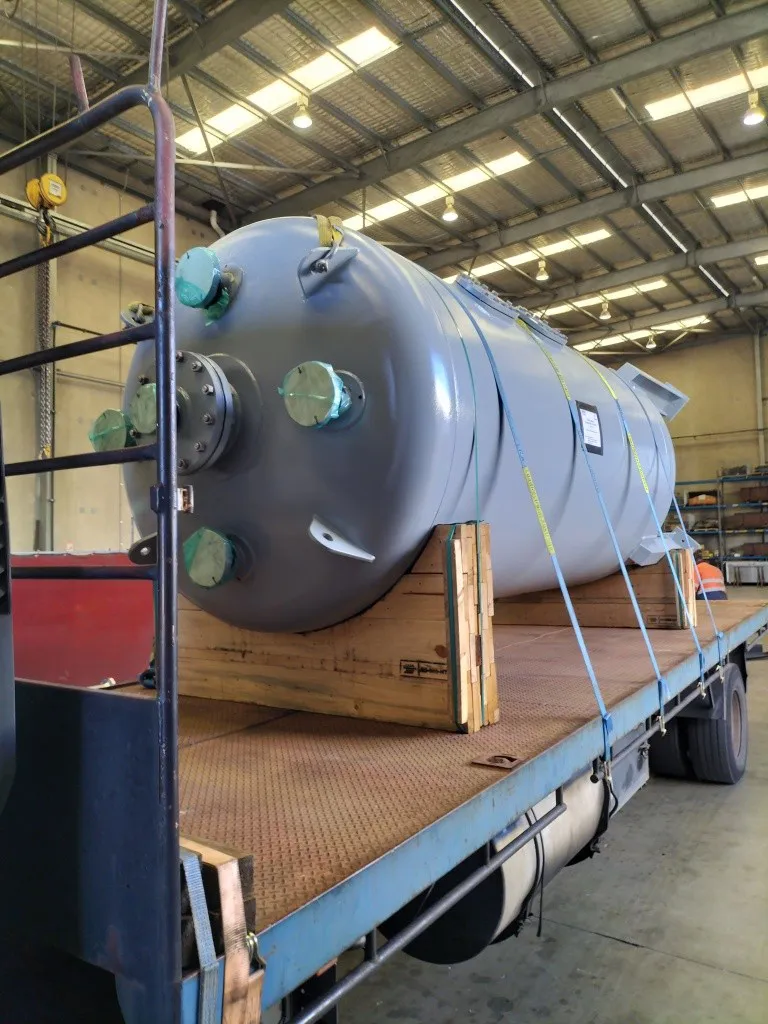
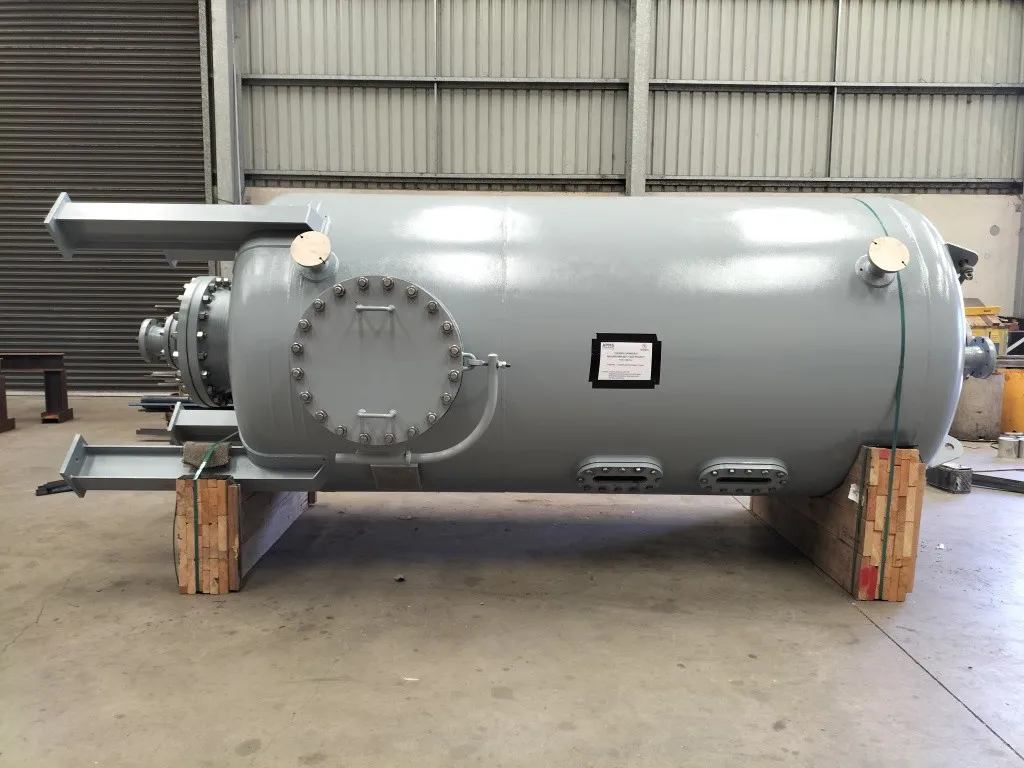
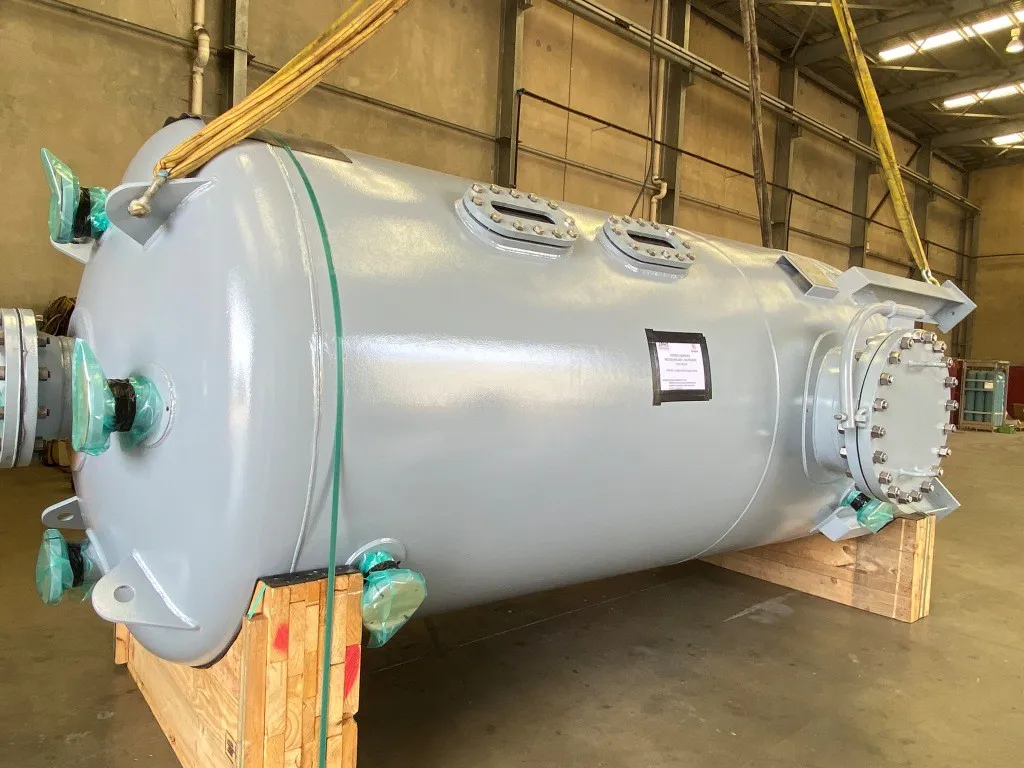
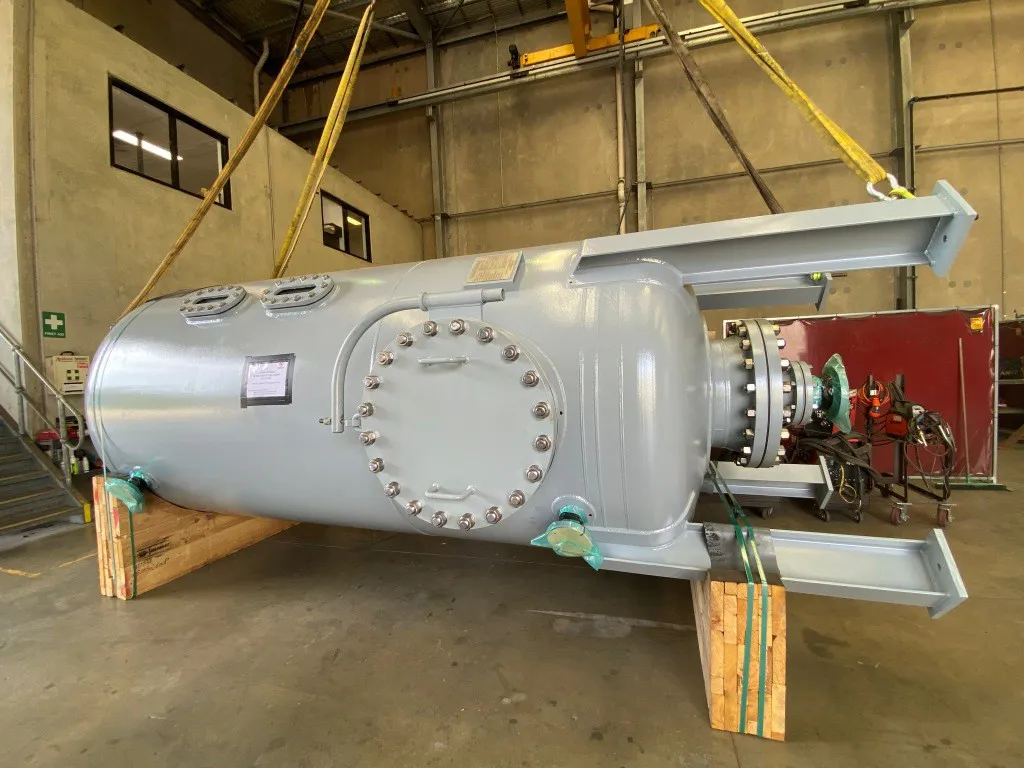
TEN Pressure Vessels for a Process Expansion Project

LOCATION

Bunbury, WA

CATEGORY

Pressure Vessel Fabrication & Design

INDUSTRY

Chemical – Production

VALUE

Over $1 Million

Scope of Work

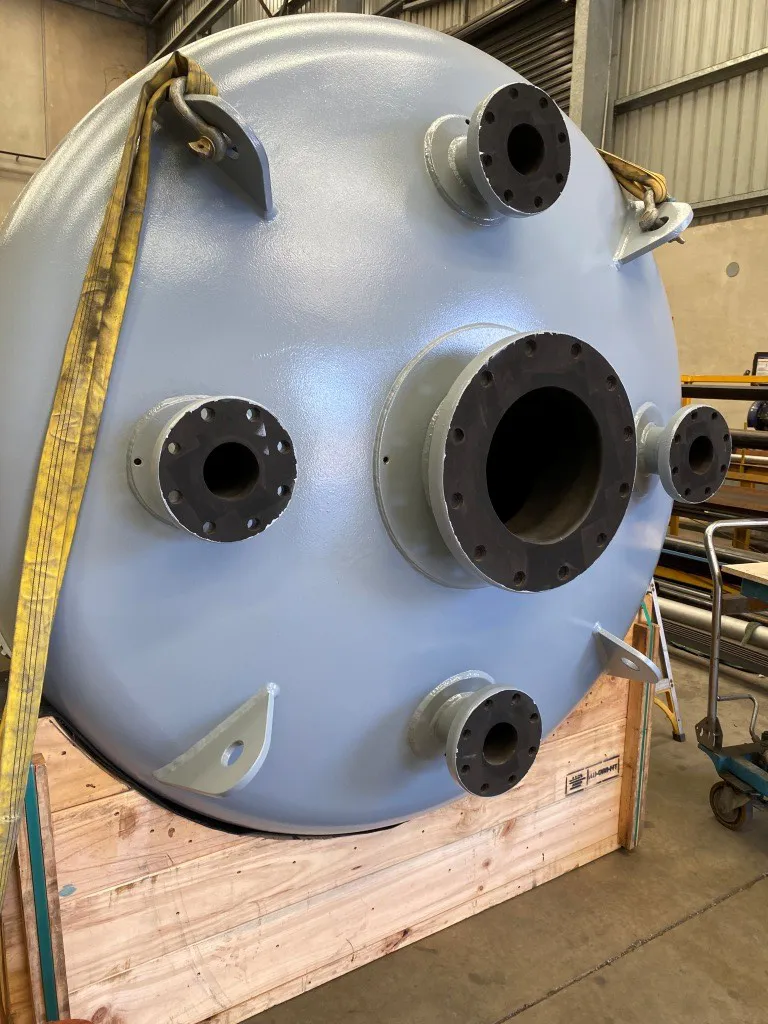
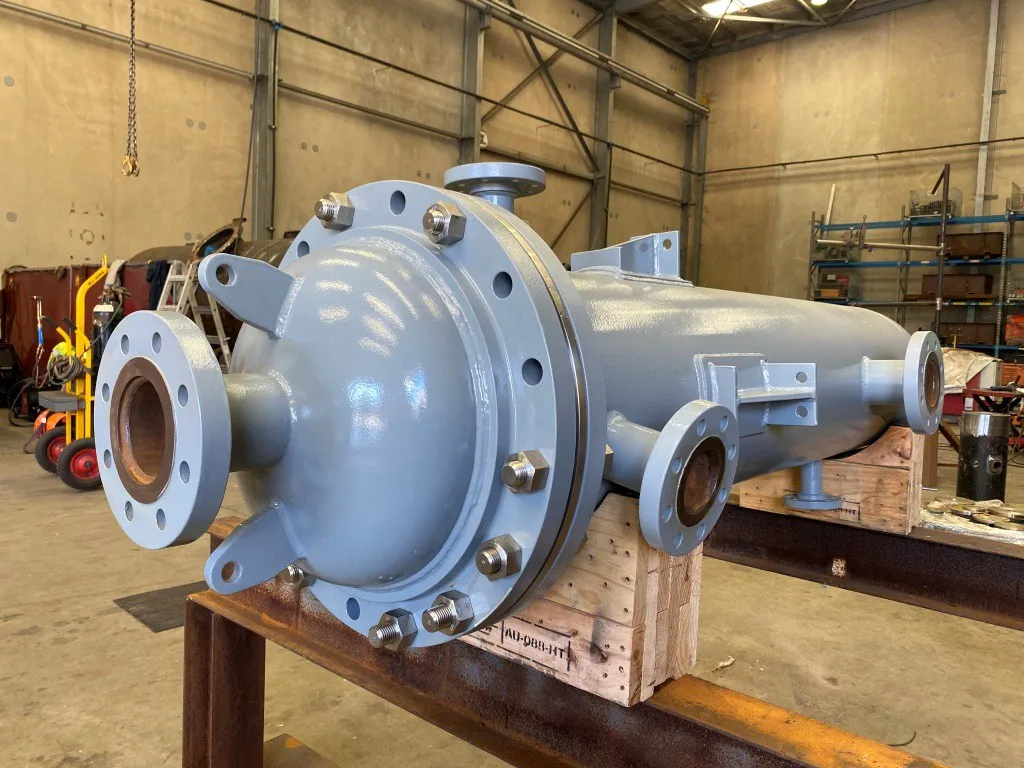
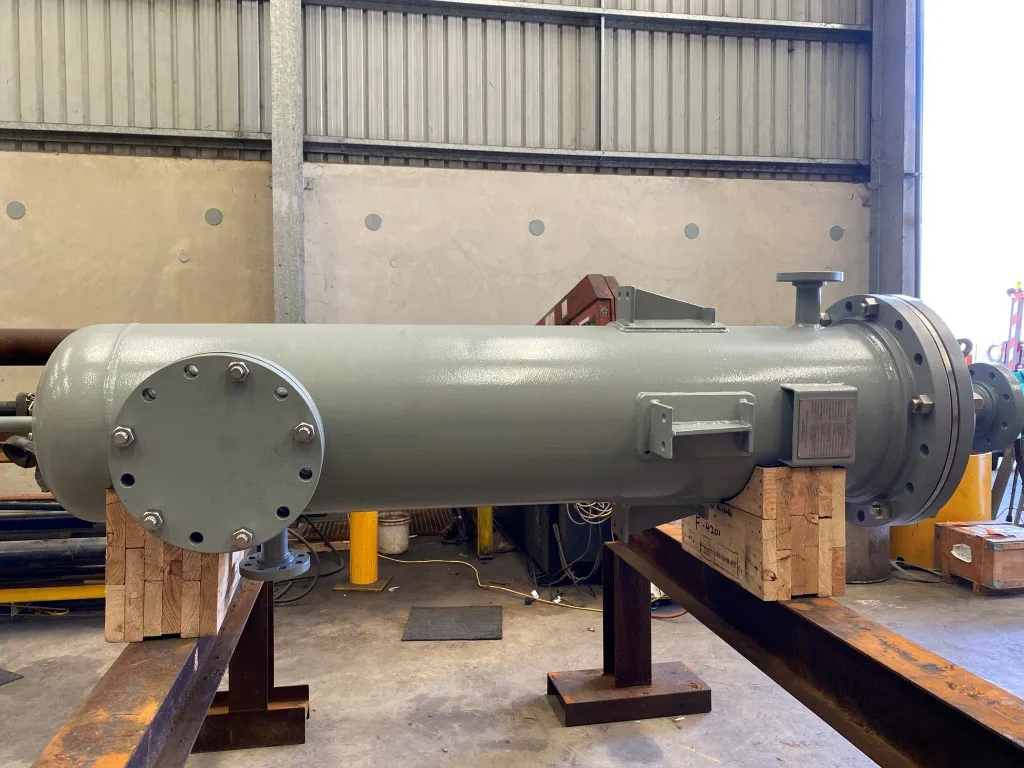
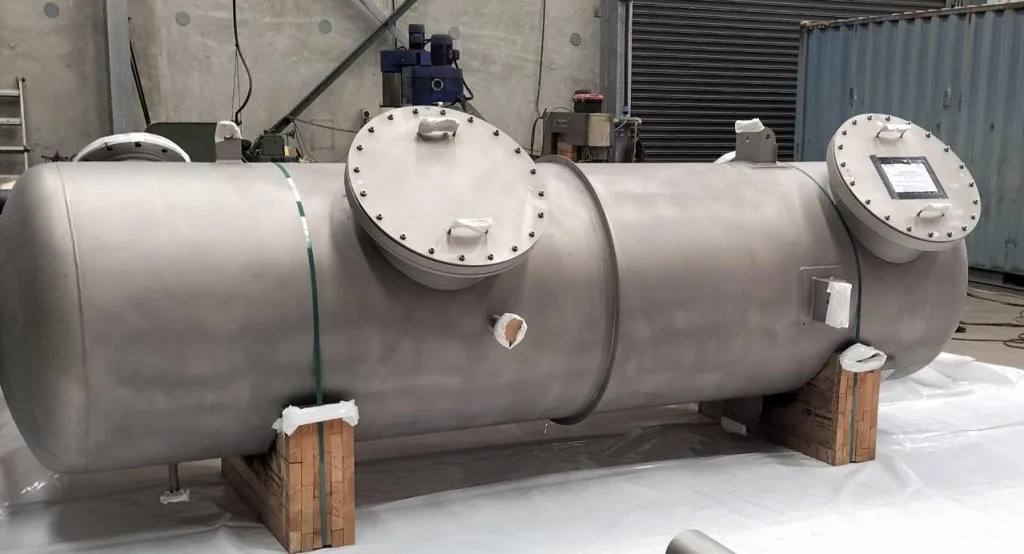
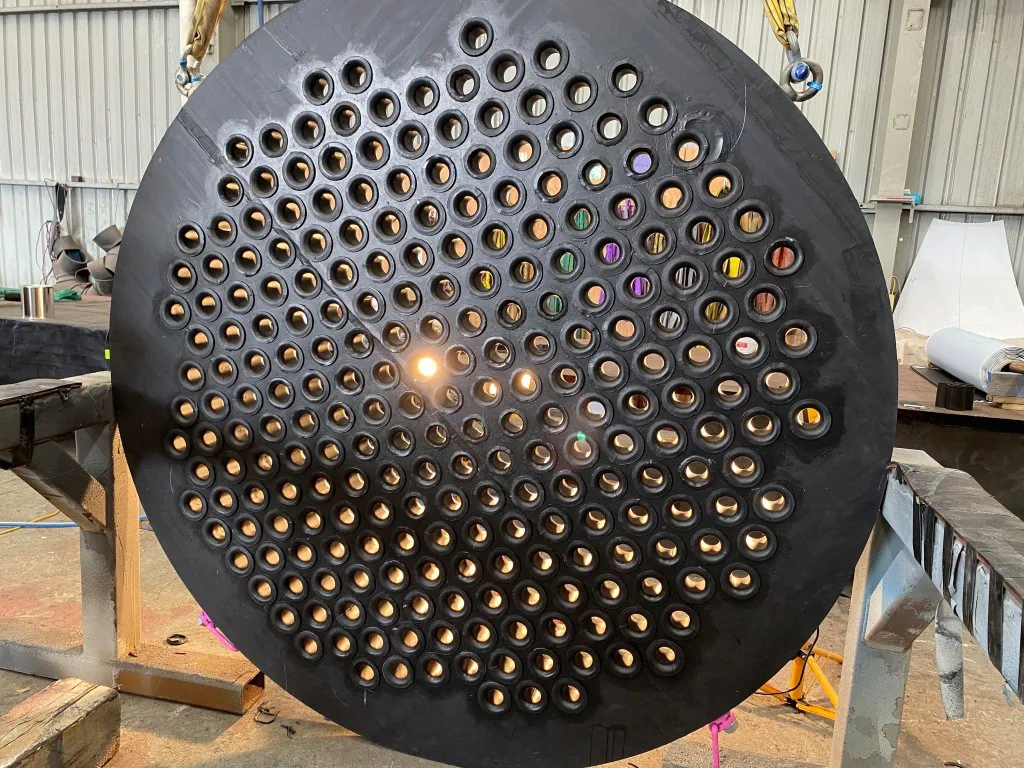
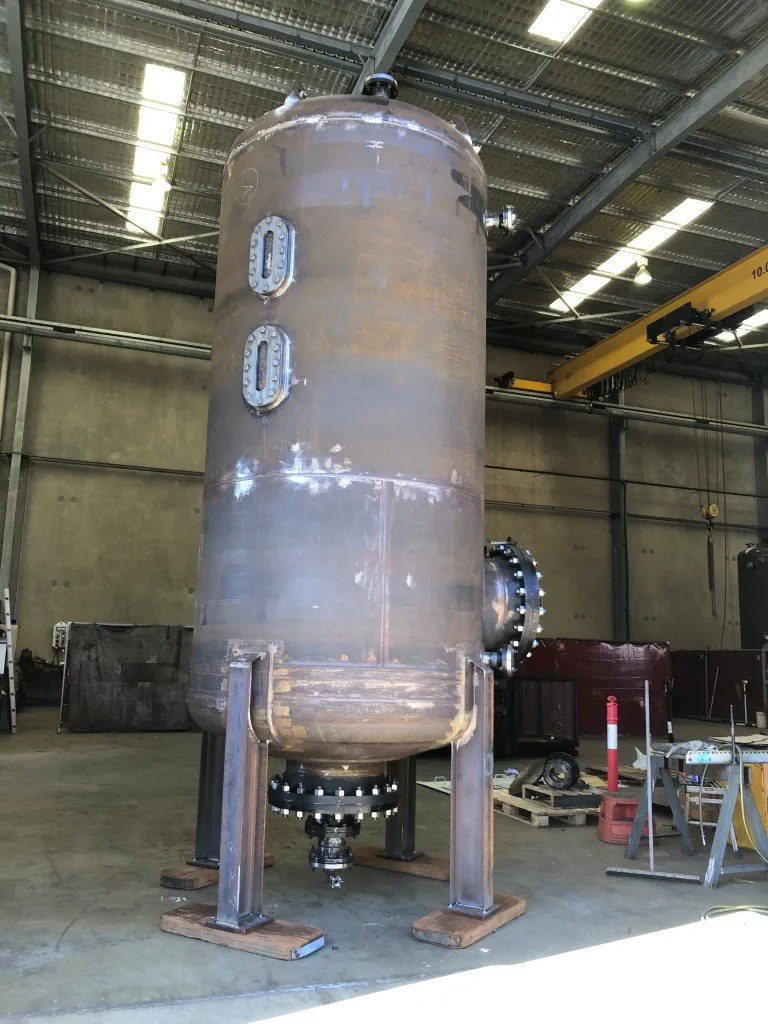
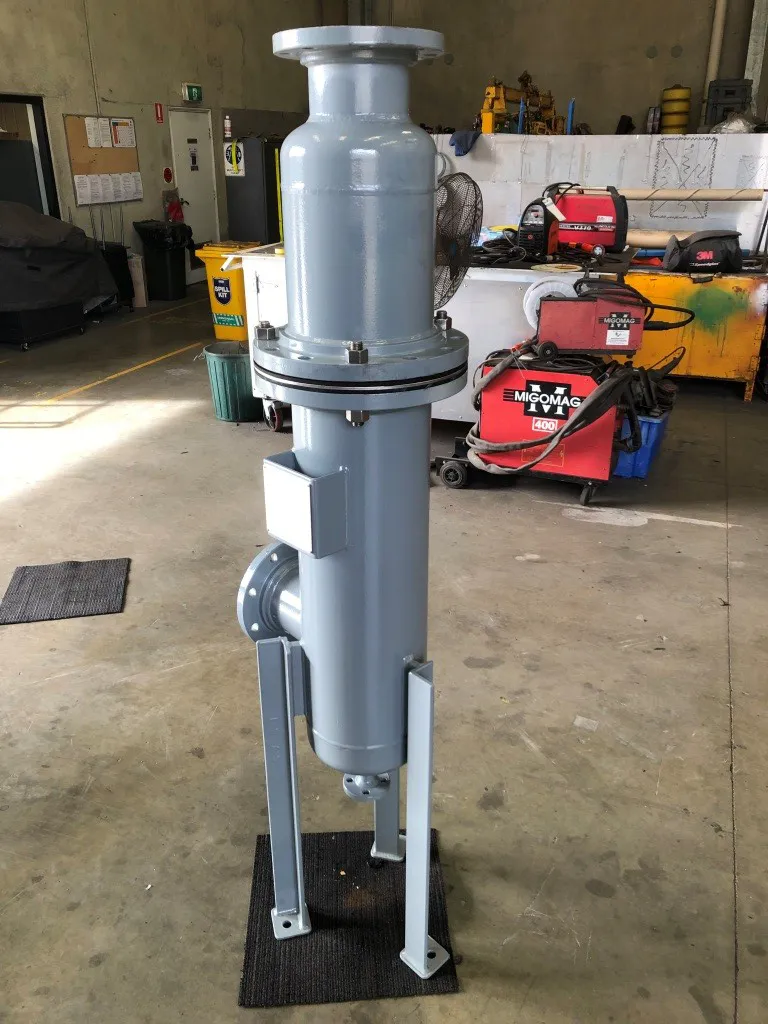
The equipment was required by our client to expand the production of chlorine at its Bunbury plant by 30% annually. Materials of construction were carbon steel, rubber lined carbon steel, 304 & 316 stainless steel, Incoloy 825, Hasteloy C-276 and titanium Grade II.

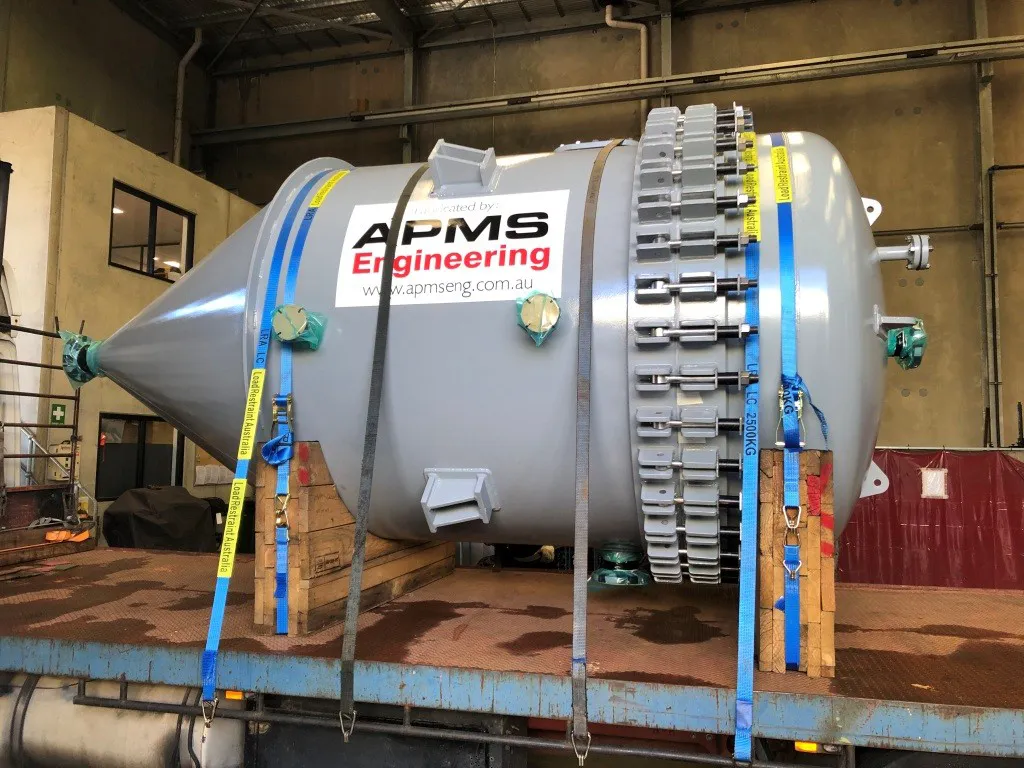
APMS’s scope of work included the preparation of detailed drawings, material procurement, fabrication, post weld heat treatment, NDT, hydrotesting, surface treatment, rubber lining, preparation of full traceability quality documentation and delivery to the client’s Kemerton plant. The vessels ranged in size up to 2.0m diameter x 6m long x 8 tonnes maximum weight.

Project Resourcing

The project team included:

  • Project Management
  • Quality Management
  • Project Supervision
  • Boilermaking and Coded Welding Personnel
  • Post weld heat treatment, non-destructive testing (NDT), hydrotesting, Surface treatment and rubber lining subcontracts

Fabrication

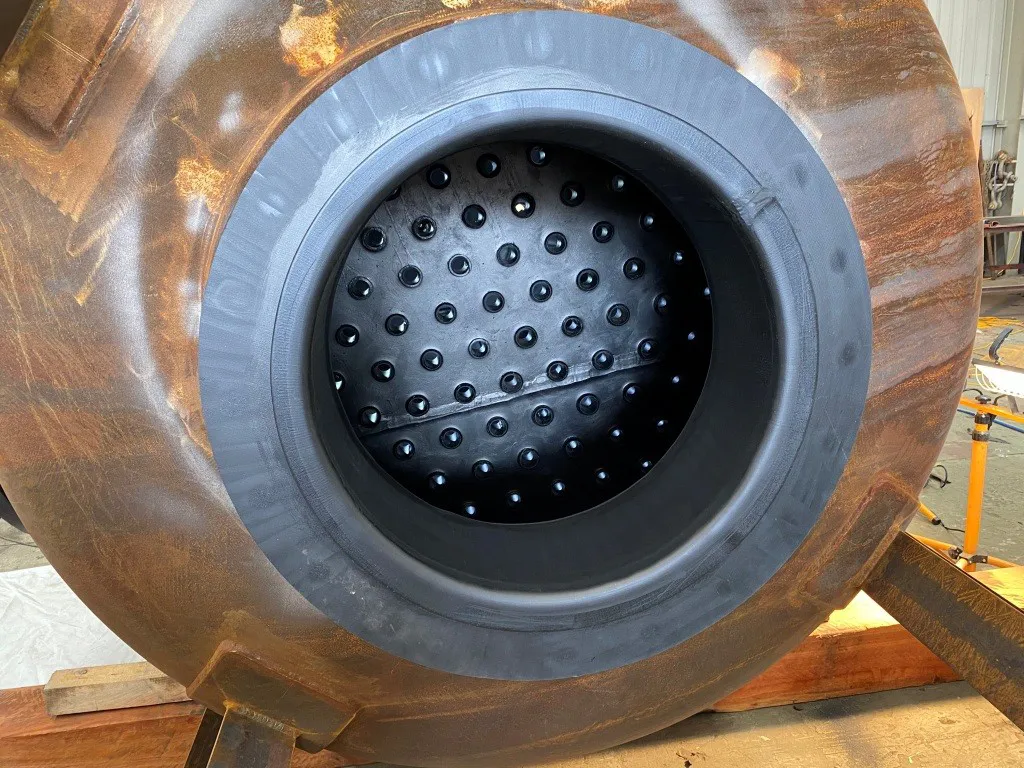
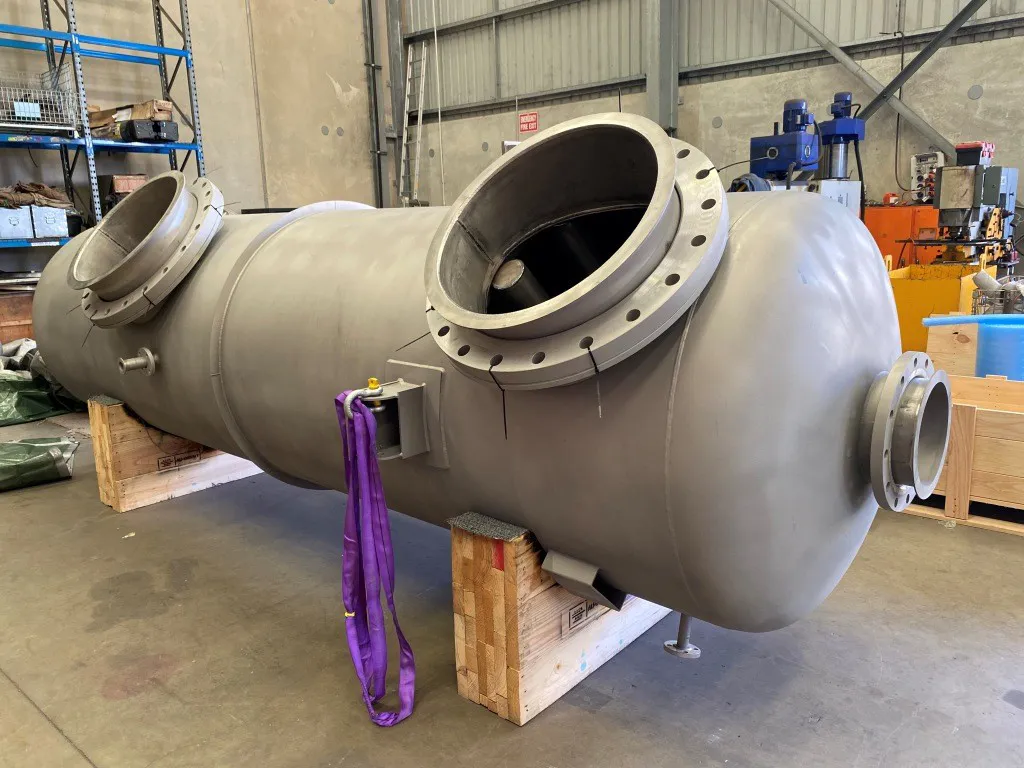
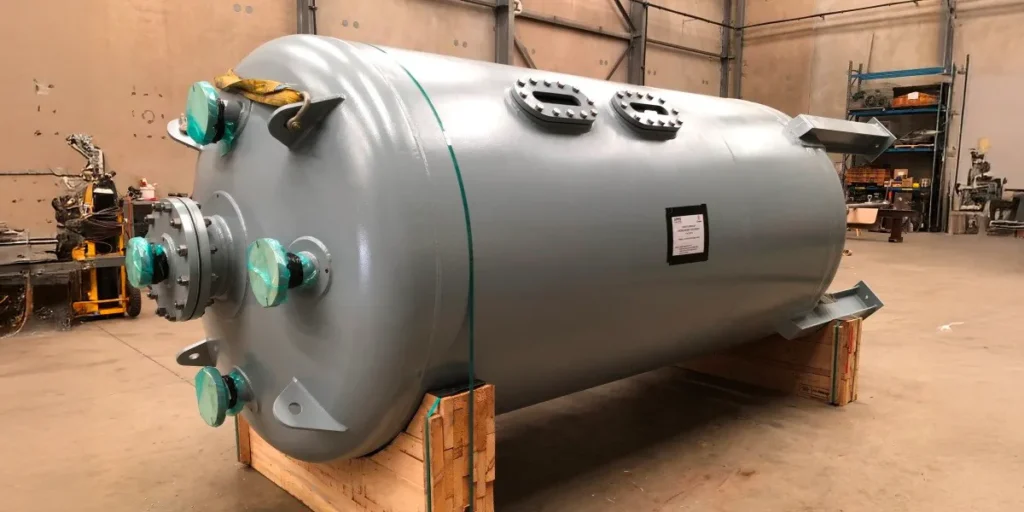
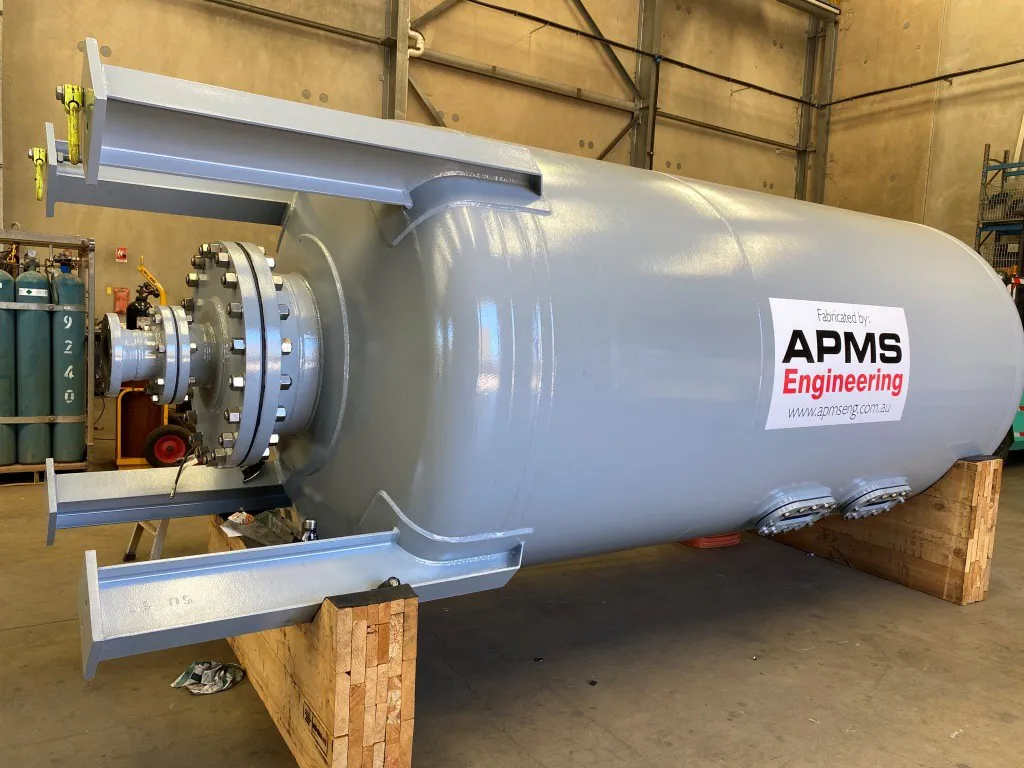
The vessels were fabricated in accordance with AS1210/AS1200. Five of the vessels were lined internally with self-vulcanising bromobutyl rubber which required a special storage and handling methodology and stringent quality control during application. The Hypochlorite Reactor fabricated from titanium Grade II, was a repeat of an identical vessel designed and fabricated by APMS Engineering for our client’s Brisbane plant in 2015.
Key Activities

The success of the project was dependant on the successful execution of the following activities:

  • Resolution of technical queries prior to the completion of detailed drawings.
  • Material procurement (including special internal filters).
  • Coded Tungsten Inert Gas (TIG) and Flux Cored Arc (FCAW) welding to AS3992.
  • Fabrication in accordance with AS1210/AS1200.
  • Post weld heat treatment where required.
  • Successful NDT (RT, UT, MPI & PT) and hydrotesting.
  • Surface treatment of pressure vessels (including rubber lining).
  • 100% material and weld traceability.
  • Co-ordination of multiple sub-contractors including post weld heat treatment, non-destructive testing (NDT), hydrotesting, surface treatment and rubber lining.
  • Delivery to site.
  • Production of Manufacturers Data Report (MDR) for each vessel containing quality control documents, welding information, material and consumable certificates, testing reports, as built drawings and technical queries.