LOCATION
Western Australia
CATEGORY
Sulphuric Acid Plant Converter Outage
INDUSTRY
Nickel Processing
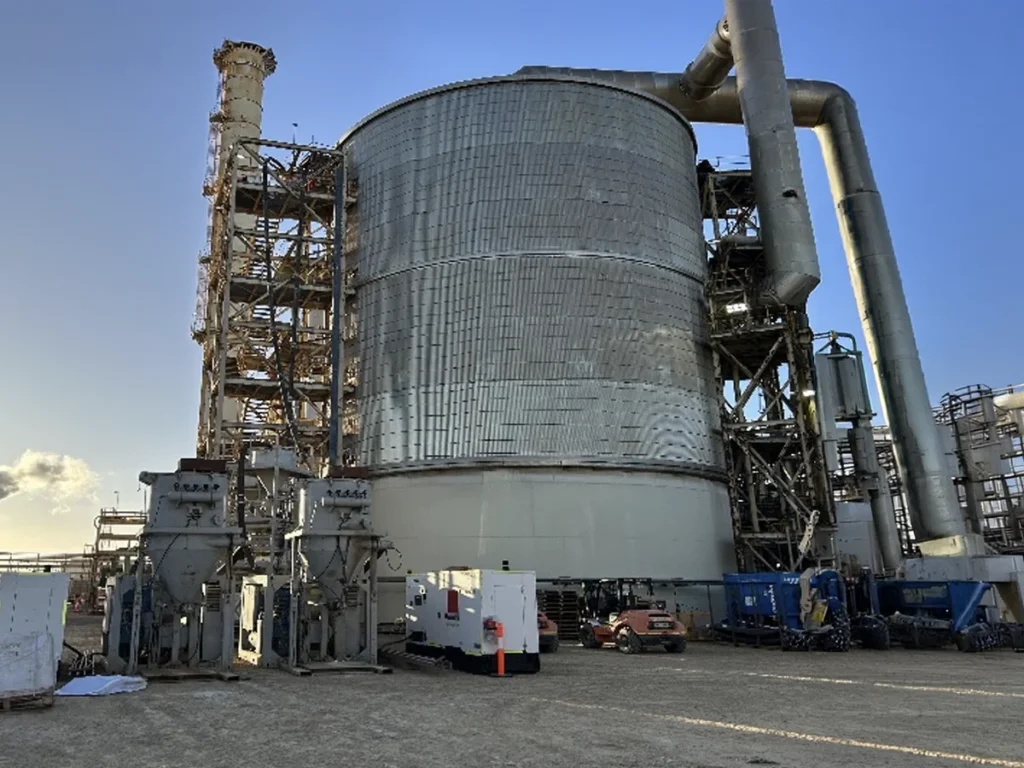
APMS plant and chiller equipment established around the client's sulphuric acid plant converter
The Challenge
Scope of Work
- Mobilised a specialist APMS catalyst crew from across Australia, fully inducted and site-ready before arrival.
- Installed chillers and ducting to safely cool all four converter beds for entry.
- Screened and reloaded catalyst, quartz and ceramic saddles across Beds 1, 2 and 4, and inspected Bed 3.
- Coordinated cranes, scaffolding and conveyor systems to keep screening and reloading moving in parallel.
0
Lost Time Injuries
28
Personnel Across Two Shifts
4
Converter Beds Serviced
320m³+
Catalyst & Quartz Screened / Reloaded
Turning a Setback into a Safety and Schedule Win
- Sandblasted and inspected all affected peddles before authorising weld repairs.
- Installed new peddles and mesh, then re-marked bed heights before reloading.
- Absorbed 13 separate delay events — weather, logistics, crane and structural approvals — without a single recordable safety incident.
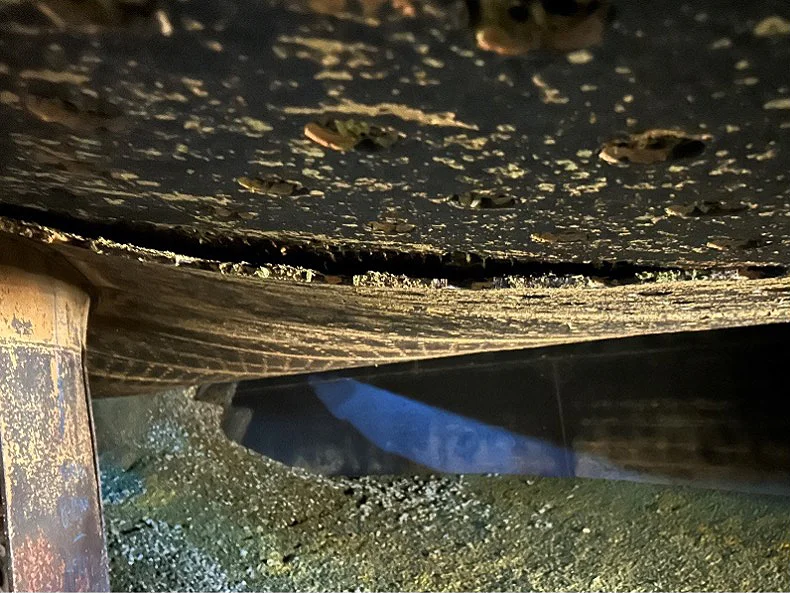
Collapsed peddles discovered beneath Bed 1
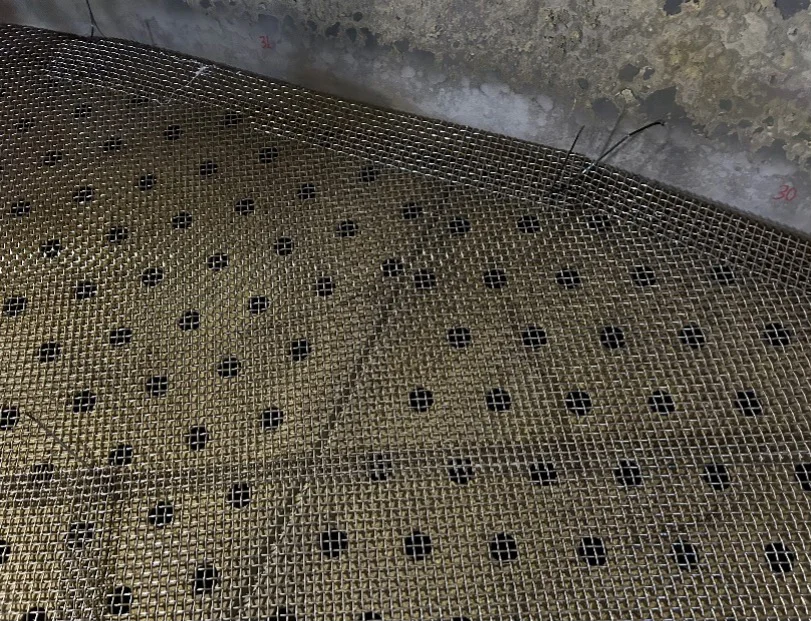
New mesh installed after structural repair and re-decking
Safety Delivered
0
Near Misses
0
Lost Time Injuries
0
Lost Time Injuries
457
Bulker Bags Handled
The Results
All four beds were inspected, and Beds 1, 2 and 4 fully screened and reloaded to specification, with final sign-off from the client’s site representative on 8 December 2023 — 25 days after the first APMS crew mobilised. The converter was handed back ready for restart, with a structural issue found, fixed and closed out within the same outage window, and an incident-free safety record across the full campaign.
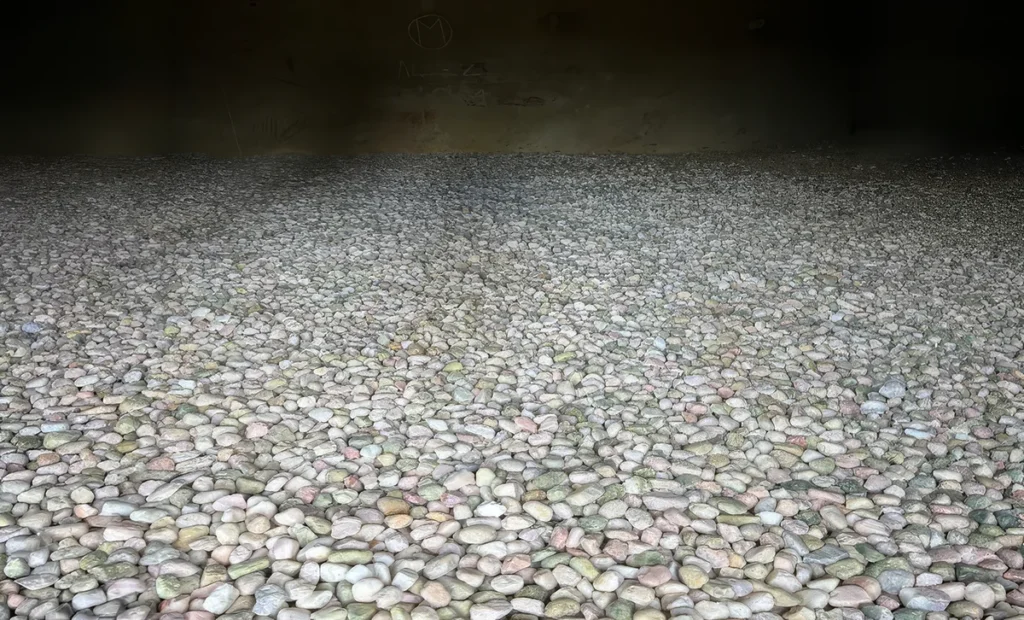
Finished catalyst bed, reloaded and levelled to specification